
Folklore of India
Indian folklore spans diverse oral epics, arts, and traditional games.

Wikipedia / Wikimedia Commons
The folklore of India encompasses the folklore of the Republic of India and the Indian subcontinent. India is an ethnically and religiously diverse country, and its folklore generally refers to the Hindu traditions of the people but also includes native folktales and mythos of various other ethnic and religious groups. Folk religion syncretism in Hinduism explains local religious practices and contains local myths that explain customs and rituals, with much of Indian folklore surviving through oral transmission.
- field
- Folklore
- nationality
- Indian
- known_for
- Oral epics, folk art, traditional games, and folk heroes
- key_forms
- Madhubani painting, Warli painting, Panchatantra, Pabuji epic
- notable_folklorists
- A. K. Ramanujan, Devendra Satyarthi, Krishna Dev Upadyhayaya
Lore & Background
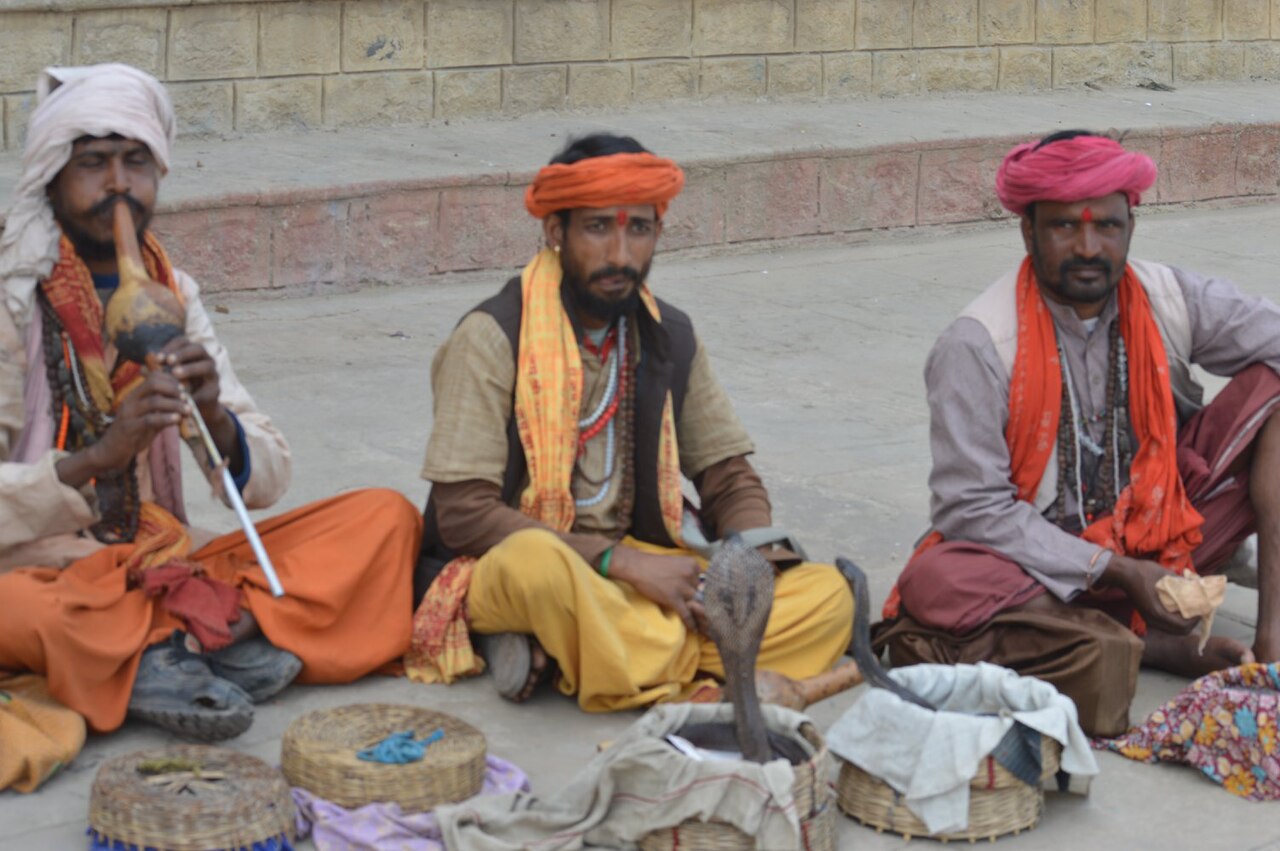
India possesses a large body of heroic ballads and epic poetry preserved in oral tradition, both in Sanskrit and various vernacular languages. One such oral epic is the story of Pabuji, collected by Dr. John Smith from Rajasthan, traditionally told by professional storytellers known as Bhopas. The title character was a historical Rajput prince who has been deified in Rajasthan. Various performing arts such as Garba, Dandiya Raas, Bihu dance, Bhangra, and Yakshagana derive their elements from myths, folktales, and seasonal changes.
Reader's Guide
Noteworthy collections of Indian traditional stories include the Panchatantra, made by Vishnu Sarma, and the Hitopadesha of Narayana, a collection of animal fables compiled in Sanskrit. Indian folk heroes include Rama and Krishna, who are traditionally deified, and each ethnic community has its own folk heroes, such as Beer Kherwal of the Santhals and Chital Singh Chhatti of the Gonds. The study of folklore was strengthened by Finnish folklorist Lauri Honko and American folklorist Peter J. Claus, who conducted fieldwork on the Epic of Siri. The Central Institute of Indian Languages has promoted folklore studies, and the National Folklore Support Center in Chennai works to bridge academic and community domains.
Did You Know?
- Tanjore paintings from South India incorporate real gold into their paintings.
- The Panchatantra is a collection of traditional narratives made by Vishnu Sarma in the second century BC.
- Odiyan is a legendary figure in Kerala folklore described as half-man, half-beast creatures that could transform into animals.
- Traditional Indian board games include Chess (Chaturanga), Ludo (Pachisi), and Snakes and Ladders (Moksha-Patamu).
A Tapestry Woven Across Faiths and Communities
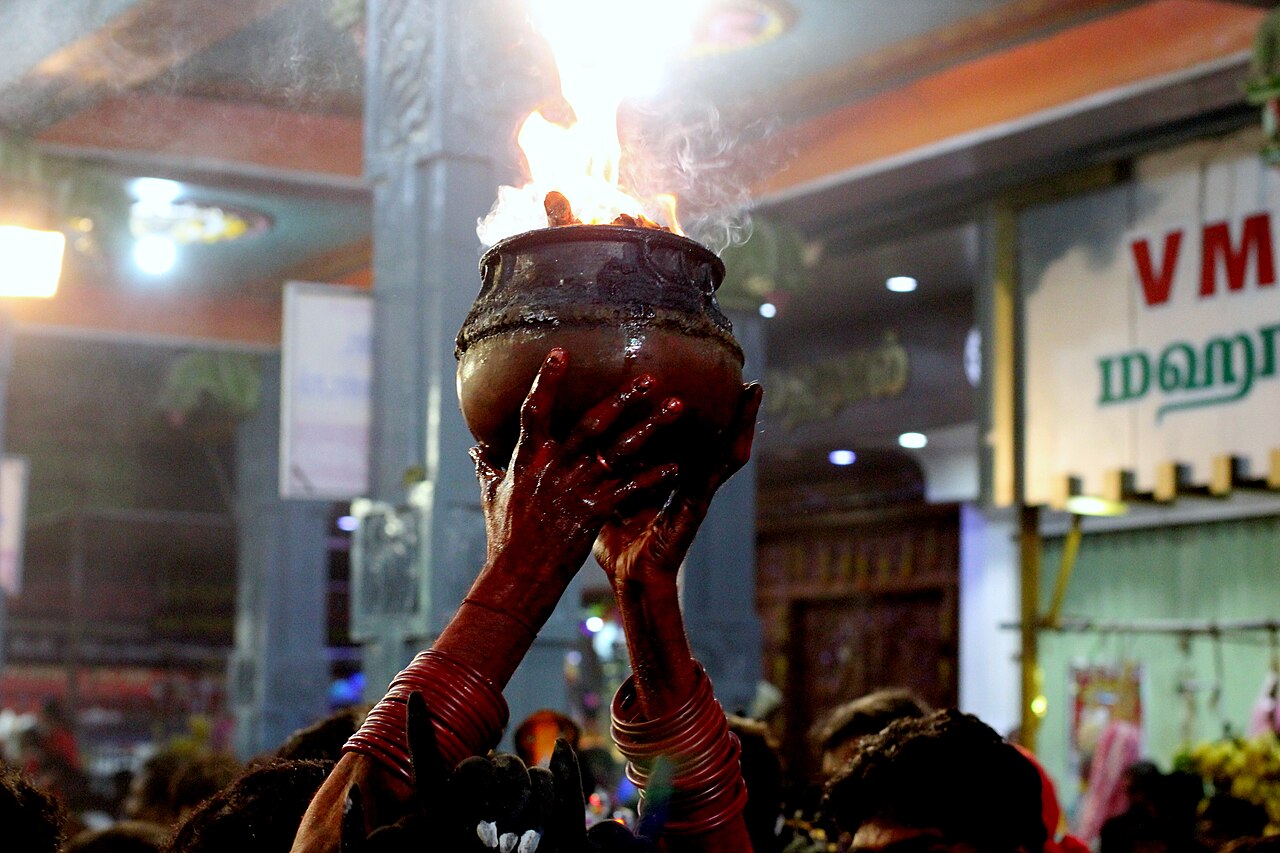
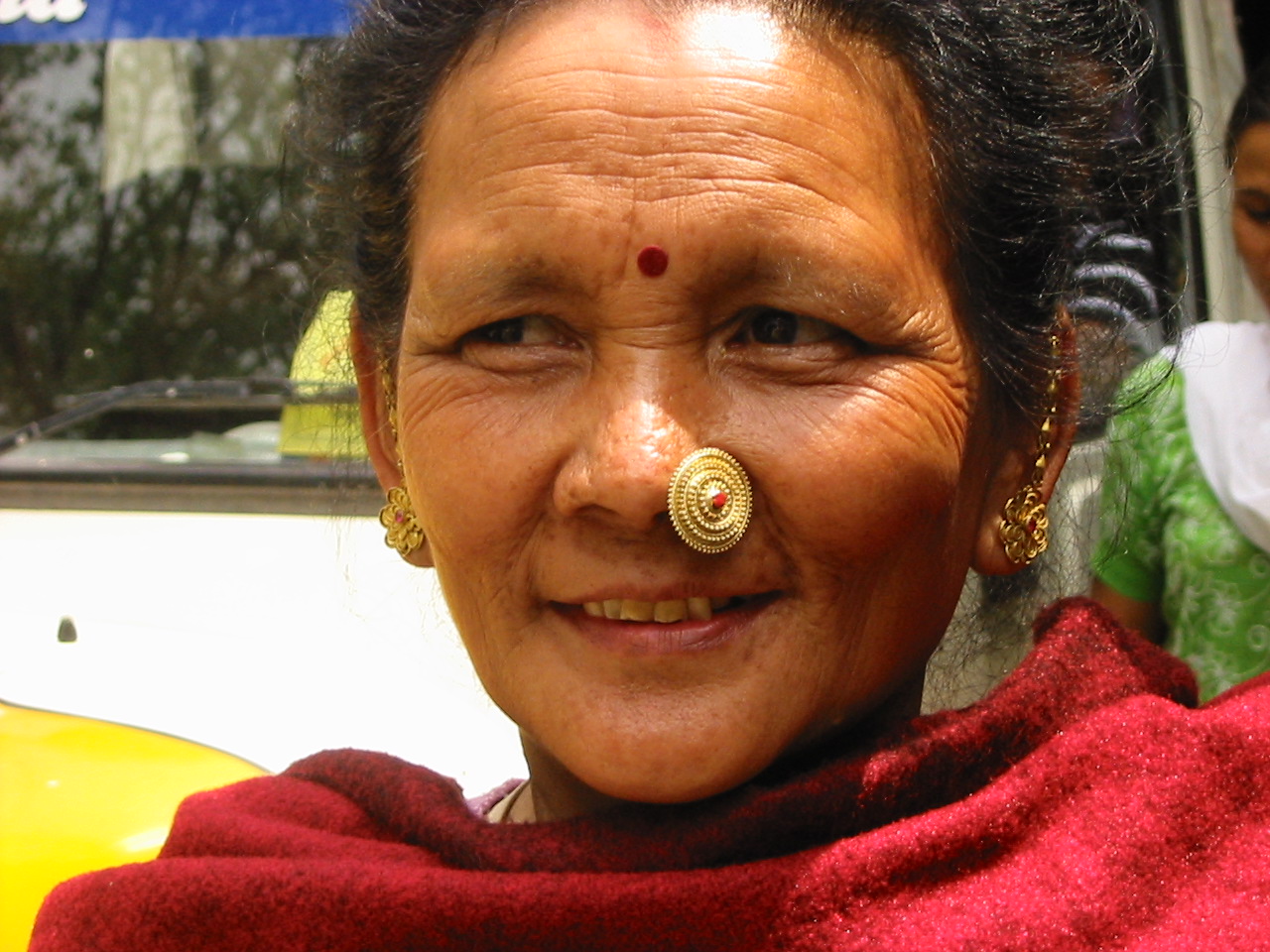
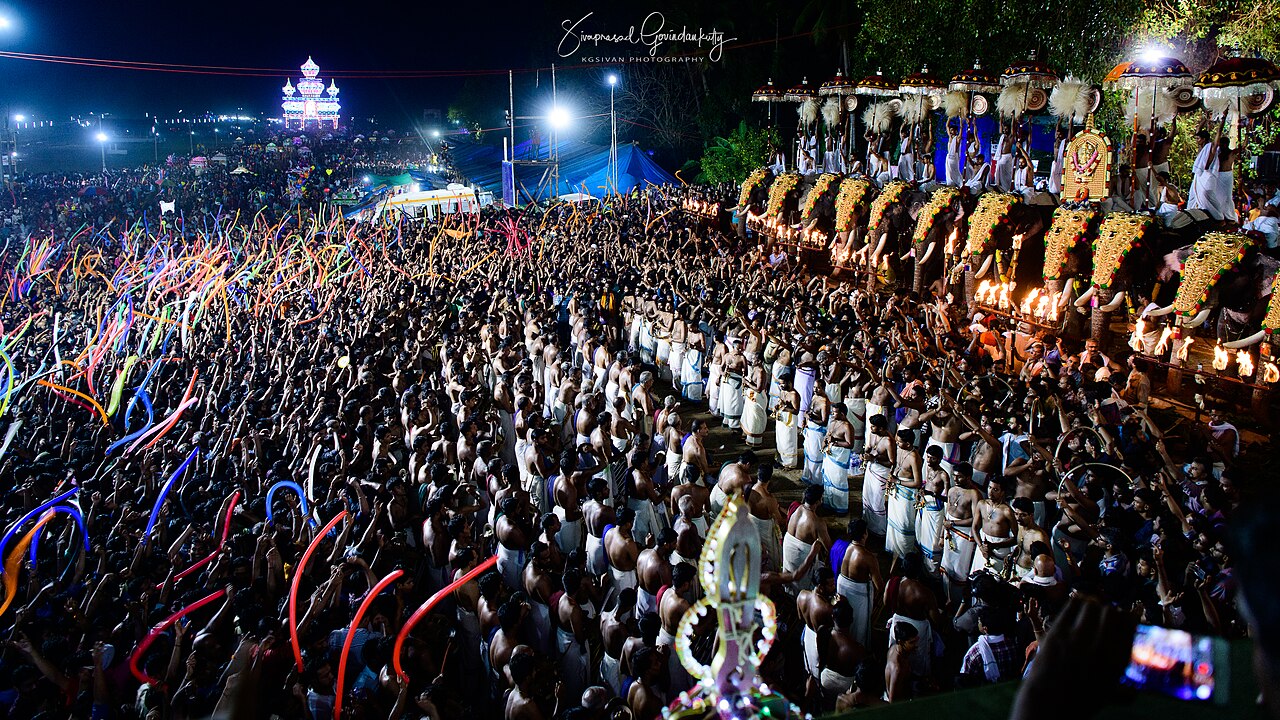
India's folklore stretches across the entire Indian subcontinent and the modern Republic, reflecting a nation defined by extraordinary ethnic and religious diversity. While the tradition is most commonly associated with Hindu cultural practices, it equally embraces the native folktales, mythologies, and ritual narratives of countless other communities. A key mechanism behind this breadth is folk religion syncretism within Hinduism, a process that rationalizes local worship practices and generates region-specific myths to explain why certain customs and rituals are observed the way they are. Because written records were not always accessible to rural and tribal populations, an enormous volume of this material survived exclusively through oral transmission, passed from generation to generation in storytelling, song, and ritual recitation. This living chain of voices means that India's folklore is not a static archive but a continuously evolving body of knowledge, shaped by each retelling and each community that carries it forward.
Painted Worlds: The Schools of Folk Art
India's folk and tribal art traditions reveal a heritage of remarkable visual sophistication. Multiple distinct schools have developed over centuries, each with its own signature palette, figure style, and compositional logic. The Mughal, Rajasthani, and Nakashi schools each carry recognizable visual identities, while regional forms like Madhubani painting in Bihar, Bhojpuri painting, Kangra painting in Himachal Pradesh, and Warli painting in Maharashtra offer yet another layer of stylistic variety. In South India, Tanjore paintings stand apart for their incorporation of real gold leaf into the composition. Other celebrated forms include Nirmal, Pattachitra, and Kalamezhuthu. The subject matter of these traditions is deeply rooted in local life: fairs, festivals, deities, and warrior figures dominate the canvases. Historically, many of these art forms were produced by upper-caste practitioners, yet today they have achieved global recognition, serving as vivid visual records of communities whose stories might otherwise remain invisible to the wider world.
Voices in Motion: Oral Epics and Performing Arts
India's oral literary heritage is vast, encompassing heroic ballads and epic poetry preserved in Sanskrit and in dozens of vernacular languages. One of the most celebrated examples is the Pabuji epic, a long Rajasthani-language poem collected by Dr. John Smith. Traditionally performed by professional storytellers called Bhopas, the narrative is delivered before a painted tapestry that doubles as a portable temple, with the performer accompanying the recitation on a ravanhattho fiddle. Pabuji himself was a historical Rajput prince who was later deified within Rajasthani tradition. The performing arts of India draw their choreography and narrative content from this same wellspring of myth and seasonal folklore. From Garba and Dandiya Raas in Gujarat to Bihu in Assam, Chhau in West Bengal, Bhangra in Punjab, Yakshagana in Karnataka, and Thirayattam in Kerala, each dance tradition encodes local stories and mythological cycles into movement. Written collections like the Panchatantra, compiled by Vishnu Sarma in the second century BCE, and the Hitopadesha of Narayana in the ninth century further anchor this tradition in literary form.
Heroes of the Village and the Tribe
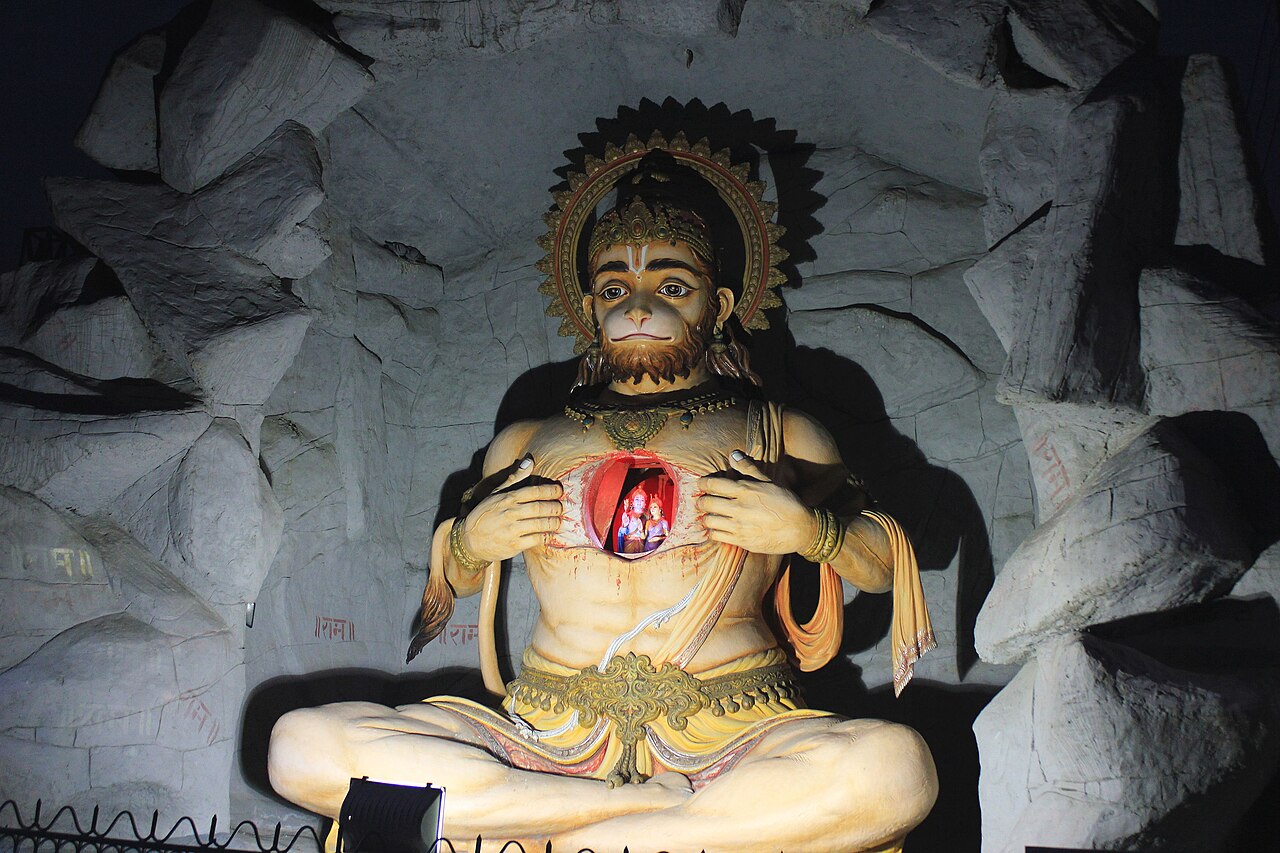
Beyond the pan-Indian figures of Rama and Krishna, every ethnic community in India cultivates its own pantheon of folk heroes. The Santhals revere Beer Kherwal and Bidu Chandan as culture heroes; the Gonds celebrate Chital Singh Chhatti; and the Banjara people honor Lakha Banjara, also known as Raja Isalu, with their epics frequently centering on female protagonists. In many villages, these heroes cross the boundary from mortal to divine, becoming local deities worshipped in community rituals. The line between a mythic hero and a romantic hero is deliberately blurred in Indian folklore, a distinction especially visible in the oral epics of Kalahandi, where ethnic singers perform narratives in both ritual and social settings. Jatra traditions such as Dhanu jatra and Sulia jatra have been the subject of extensive scholarly examination, revealing how hero characters transform into village deities over time. The Tulu-language Epic of Siri and the Pabuji epic have both gained wider international readership through English translations, while the Central Institute of Indian Languages and scholars like A.K. Ramanujan have worked to establish folklore as a rigorous academic discipline.
Gallery
Frequently Asked Questions
What is Indian folklore?
Indian folklore refers to the collective oral traditions, folktales, and mythos of the Indian subcontinent, drawing on Hindu customs as well as the native stories of many other ethnic and religious communities. It is passed down primarily through spoken word rather than written texts.
What are the key forms of Indian folklore?
Notable expressions include the Panchatantra animal fables, the Pabuji epic of Rajasthan, and traditional visual arts such as Madhubani and Warli painting. These forms capture regional identities and moral lessons across generations.
Who are some notable folklorists associated with Indian folklore?
A. K. Ramanujan, Devendra Satyarthi, and Krishna Dev Upadyhayaya are widely recognized scholars who have documented and analyzed Indian folk traditions. Their work helped bring regional oral narratives into academic and public discourse.
How does Indian folklore survive and get passed down?
Much of it endures through oral transmission, with stories, songs, and rituals retold within communities. Folk-religion syncretism within Hinduism also preserves local myths that explain specific customs and ceremonies.
What is Indian folklore most known for?
It is celebrated for its rich oral epics, vibrant folk art traditions, traditional games, and a pantheon of folk heroes. The tradition reflects India's deep ethnic and religious diversity, weaving together many distinct cultural voices.
More in Indian folklore 1-24
Elsewhere in the Indian Folklore universe
Spotted an error? Know more?
This is a living reference — every entry is fact-audited, and reader corrections feed straight into our audit queue. Suggest an edit · See this site's audit record